Brazil is the trip that stops being a trend and becomes essential this year.
Chosen as destination of the year by Travel + Leisure, the country reaffirms its cultural, environmental, and sensory strength with maturity and its own identity.
Brazil is Travel + Leisure's Destination of the Year for 2026. This choice is no accident; it reflects a clear shift in the global traveler's radar. Interest is migrating from the predictable to the authentic, from contemplated landscapes to felt experiences.
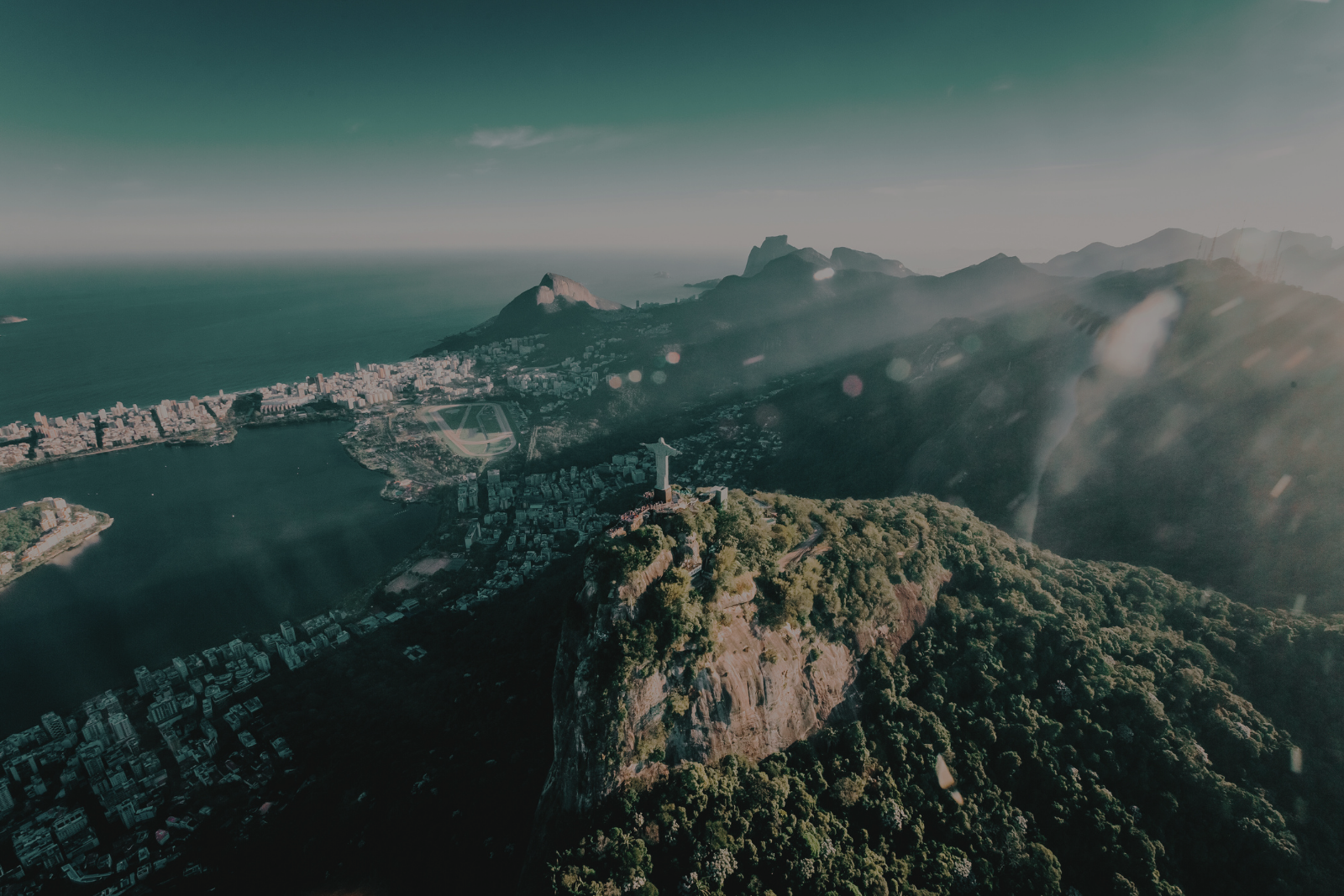
The brand describes the country as vibrant, raw energy. Living culture, nature on a continental scale. A territory that is not visited, but traversed. In 2026, traveling to Brazil means accessing the largest rainforest on the planet, exploring the world's most extensive wetland, and moving through cities that effortlessly blend modernity and history.
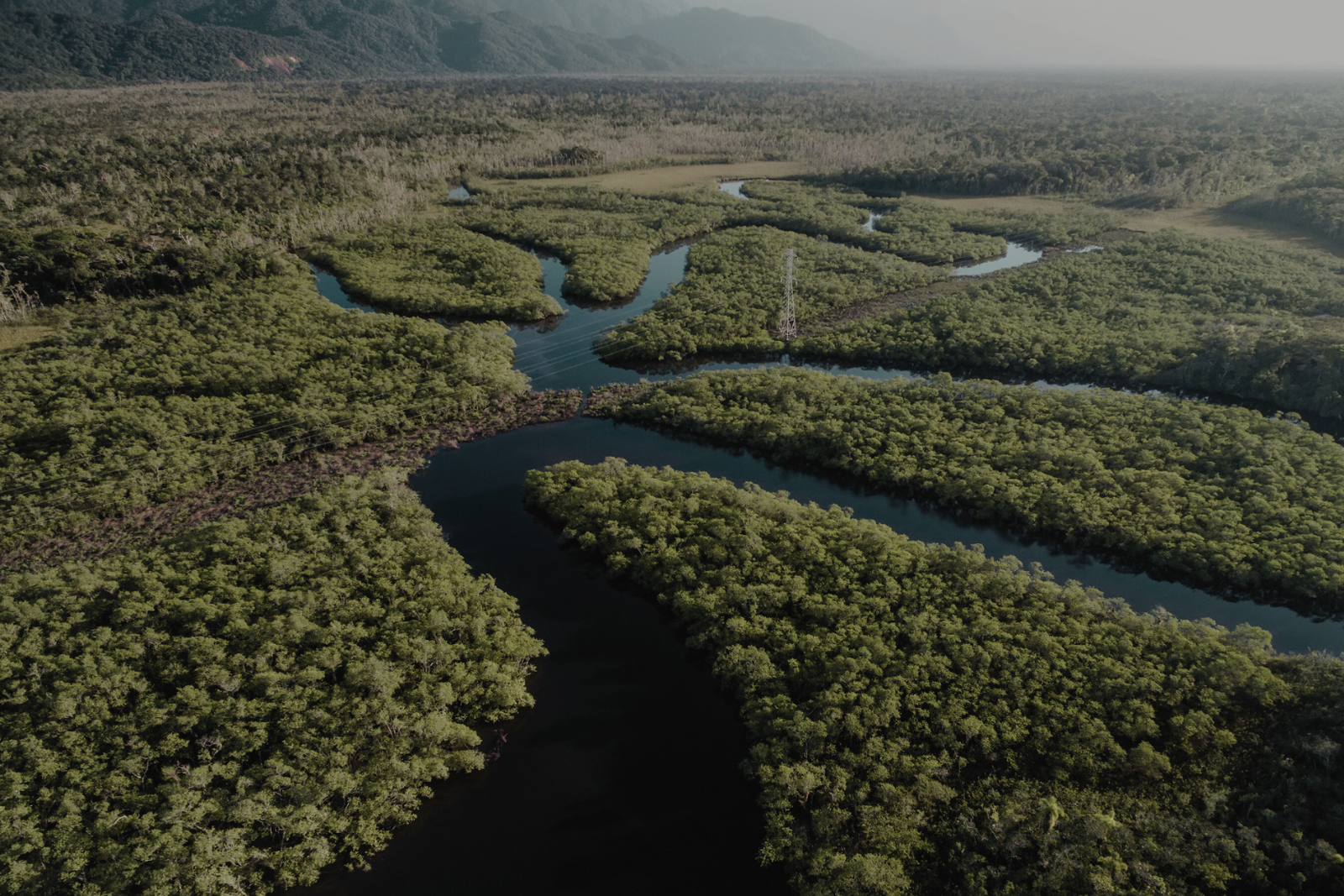
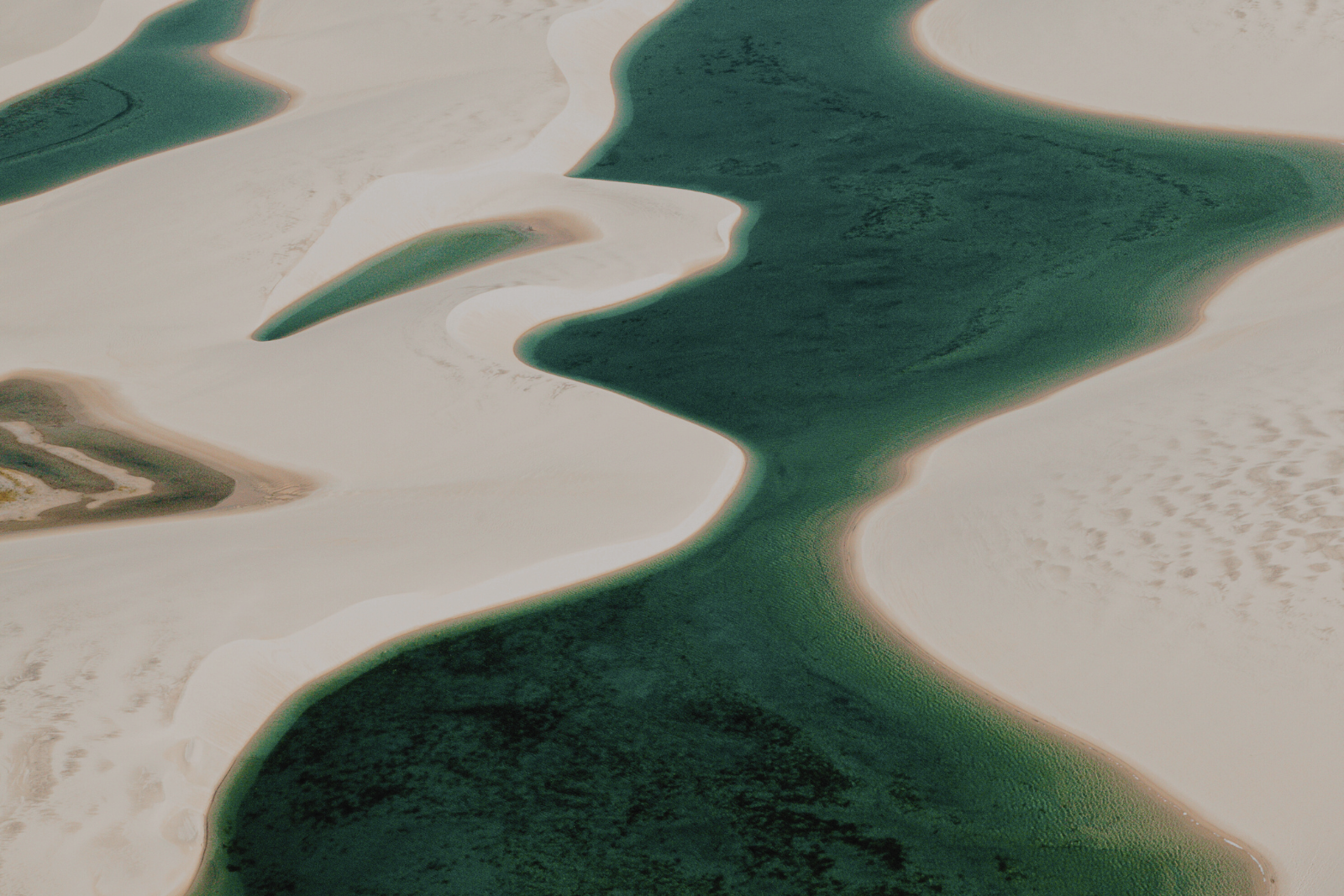
The Amazon concentrates the greatest known biodiversity. The Pantanal offers photographic safaris with jaguars in their natural habitat. The Atlantic Forest endures as one of the richest and most threatened biomes on the planet. Concrete data, real natural heritage, and strategic environmental power in the global climate debate. At the same time, the seasonal water mirrors of Lençóis Maranhenses reveal a desert that transforms into a lagoon, while Fernando de Noronha exposes an Atlantic of rare transparency.
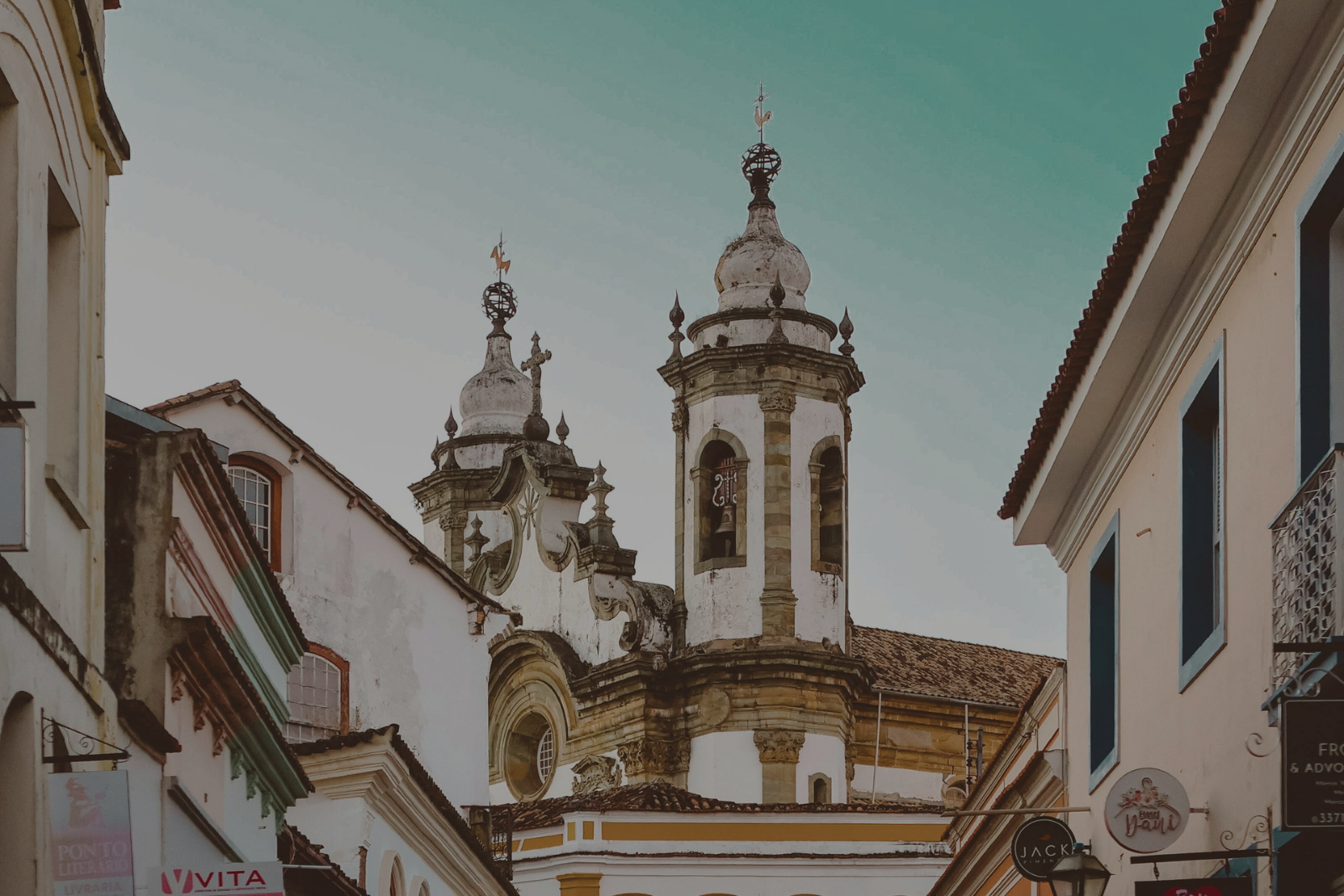
In the interior of the country, Chapada dos Veadeiros combines cerrado vegetation, crystals, and waterfalls in a landscape of silent power. In Bonito, rivers of transparent water have consolidated a model of responsible ecotourism recognized internationally. Between the baroque of Ouro Preto and the cobblestone streets of Paraty, colonial history dialogues with contemporary cultural production, keeping the past alive without losing the present. In the South, Florianópolis balances nature and urbanity with naturalness, bringing together preserved landscapes, discreet architecture, and a rhythm that values quality of life.
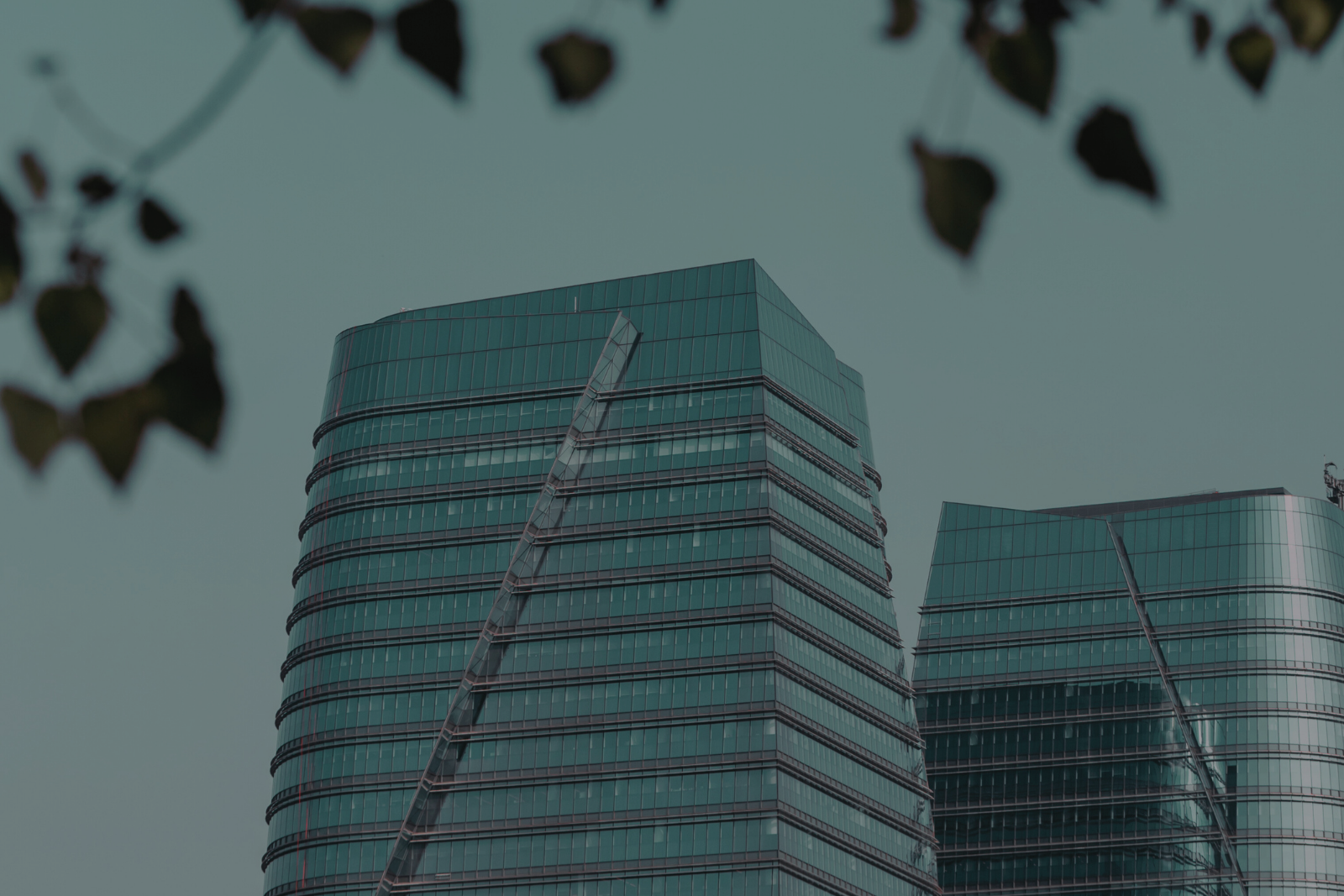
In the urban axis, Brazil vibrates at distinct frequencies. São Paulo is among the main gastronomic centers of the southern hemisphere. Signature restaurants reinterpret native ingredients and ancestral techniques with contemporary precision. Salvador preserves the largest Afro-descendant heritage outside of Africa, with colonial architecture and internationally recognized cultural manifestations. Rio de Janeiro maintains an unlikely balance between dramatic landscape and intense cultural life, a postcard image that remains current.
British recognition also confirms this leading role. The renowned magazine Wanderlust ranked Brazil among the most desired destinations in the world and highlighted its strength in Nature and Wildlife. Millions of votes from experienced readers reinforce the consistency of this perception. Brazil ceases to be a promise and assumes the status of a strategic choice.
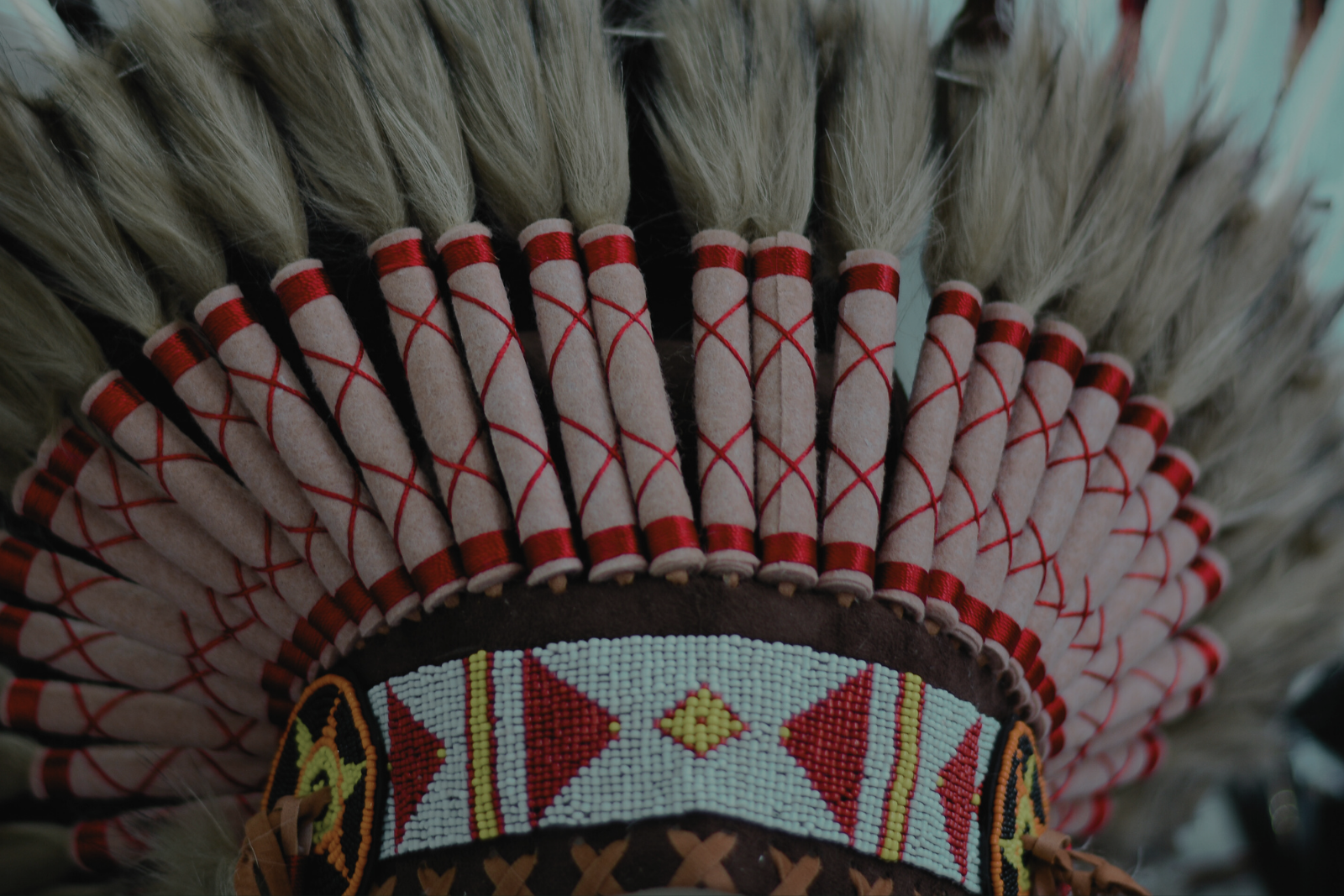
There are concrete factors driving growth towards 2026. Expansion of international air routes, the growth of structured ecotourism. Expansion of community-based experiences that connect travelers to indigenous, quilombola, and riverside territories with responsibility. Brazilian hospitality takes on new dimensions. Less spectacle, more depth.
Brazil is not an exotic trend; it's a complex narrative, samba and Amazonian silence, contemporary design and ancestral knowledge, urban creativity and popular faith, and an intensity that asks no permission.
In 2026, the world won't discover Brazil; it will recognize its relevance. A complete destination, diverse, culturally sophisticated, and environmentally decisive. Brazil ceases to be a tropical backdrop; it becomes a global protagonist.


