Carnival in Asia: When the Celebration Takes on Other Form
Holi in India, Songkran in Southeast Asia, and Japanese festivals reveal how Carnival manifests itself in cultural rituals that celebrate cycles, the body, and belonging.
When we talk about Carnival, the Western imagination tends to seek visible excess, loud music, and the total occupation of public space. But there are celebrations that operate on another frequency, less announced and more symbolic, deeply rooted in ritual gestures that span centuries.
In Asia, Carnival is not presented as a spectacle. It is diluted in festivals that take place at the same threshold of the year, when time changes density and collective life allows itself a conscious suspension of the daily order. There are no parades or grandstands, there is presence, crossing, and meaning.
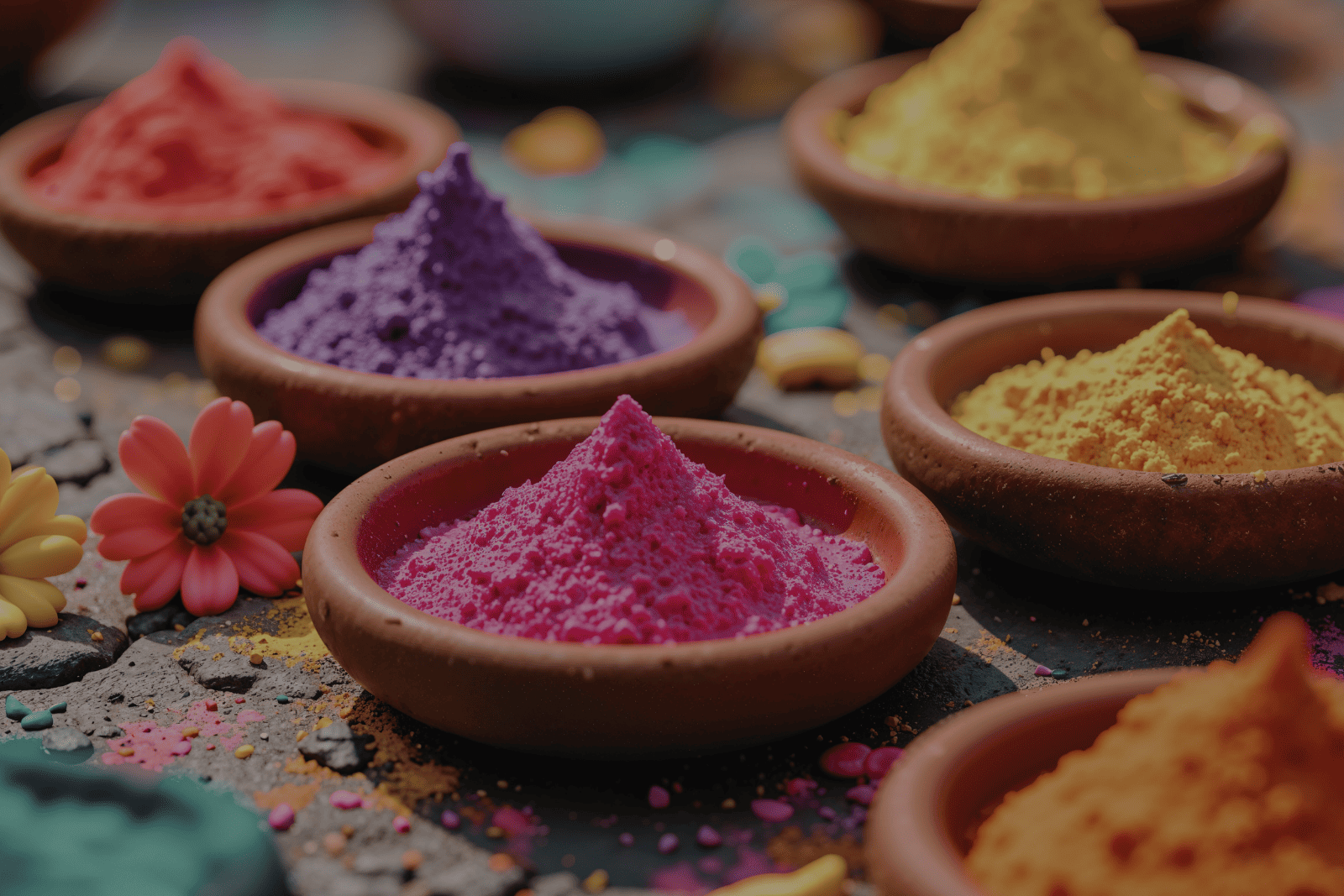
In India, this spirit manifests itself in Holi, a celebration in which color ceases to be ornament and becomes language. What one sees is not merely pigment thrown into the air, but a collective rite of passage, in which the body actively participates in the symbolic renewal of time. Social layers fade for moments, gestures become equal, and the experience unfolds as a total, intense, and ancestral sensory field, revealed with care to those who know how to observe with understanding and detachment.
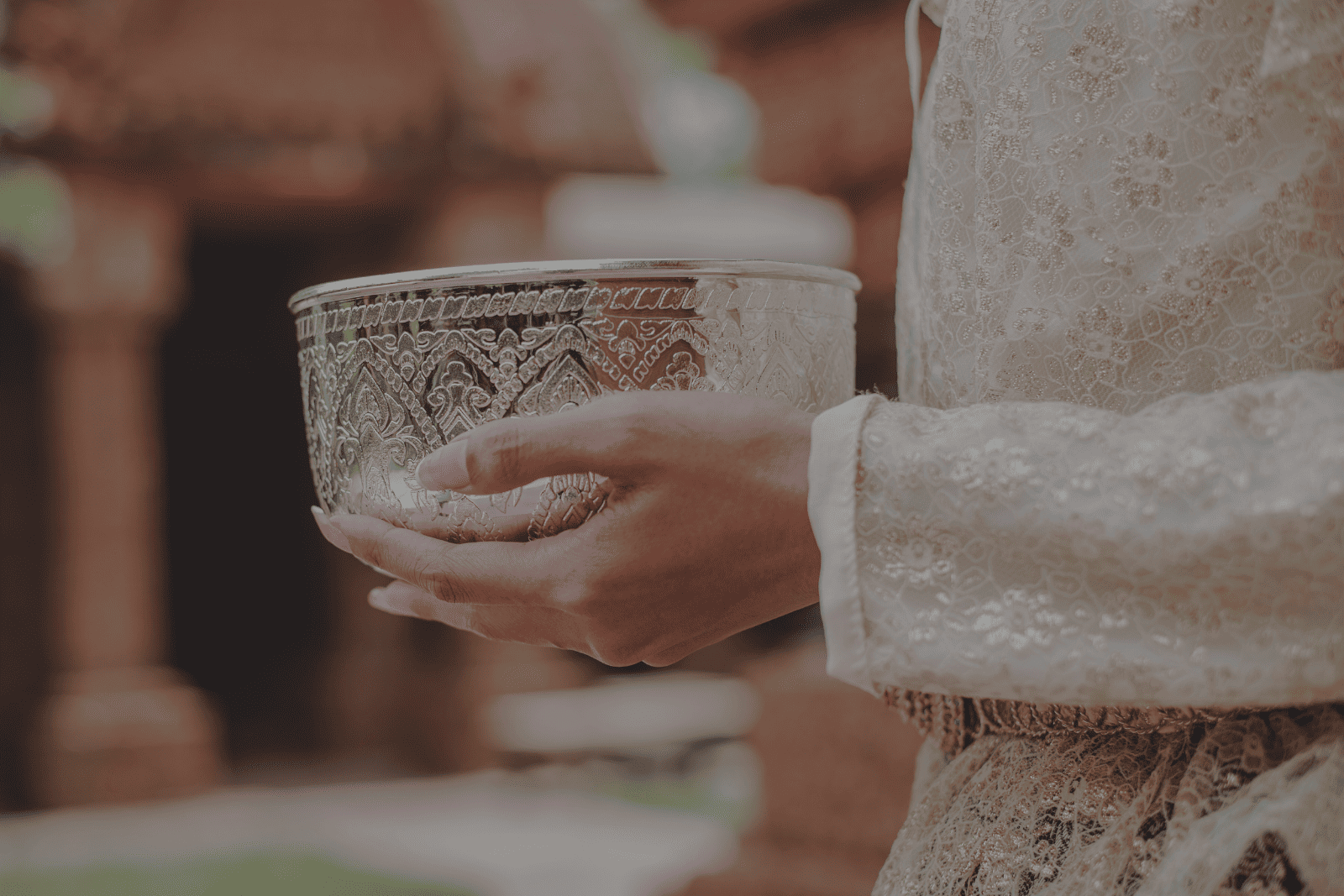
In Southeast Asia, the transition is made through water. Songkran, celebrated as the traditional New Year, transforms public space into a territory of purification. Water does not appear as a game, but as a ritual element. It cleanses, restarts, and reorganizes. Between intimate gestures, family rites, and moments of collective expansion, the celebration balances introspection and surrender, silence and movement. Everything happens in layers, some visible, others reserved for those who understand the internal rhythm of the experience.
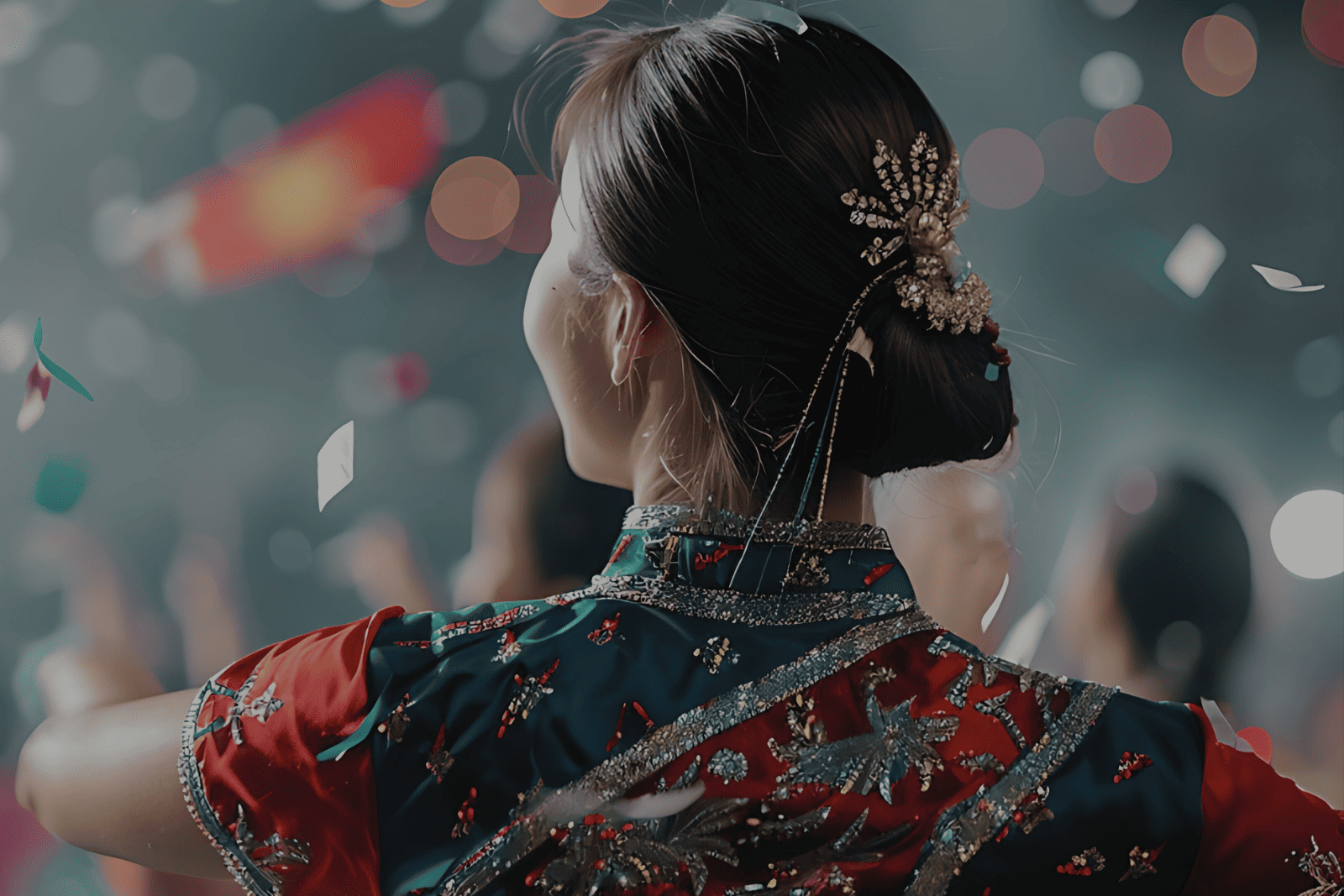
Similar festivals traverse countries like Thailand, Laos, and Cambodia, maintaining the same symbolic grammar. The body as vehicle, the natural element as mediator, the collective as a force that cannot be observed from the outside. There is no fixed audience. There is conscious participation. It is precisely this absence of explicit spectacle that preserves the depth of these celebrations.
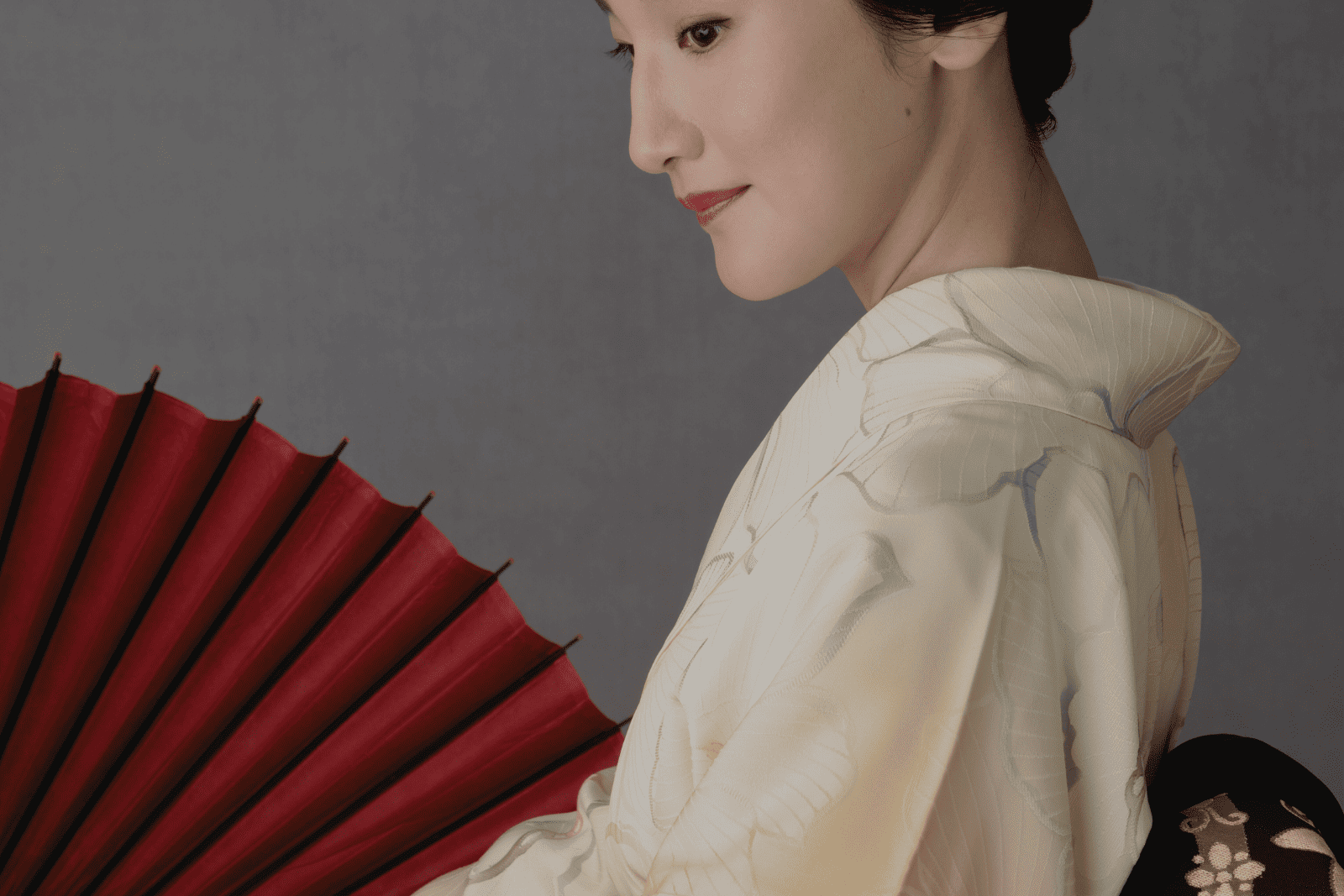
Even in cultures where there is no direct correspondence with the Carnival calendar, the spirit of suspension appears in rituals that challenge the everyday. In Japan, traditional festivals reveal how the body, when put to the test, becomes an instrument of purification, resistance, and belonging. These are experiences that do not offer themselves to the hurried gaze, but demand cultural reading, silence, and respect for the local rhythm.
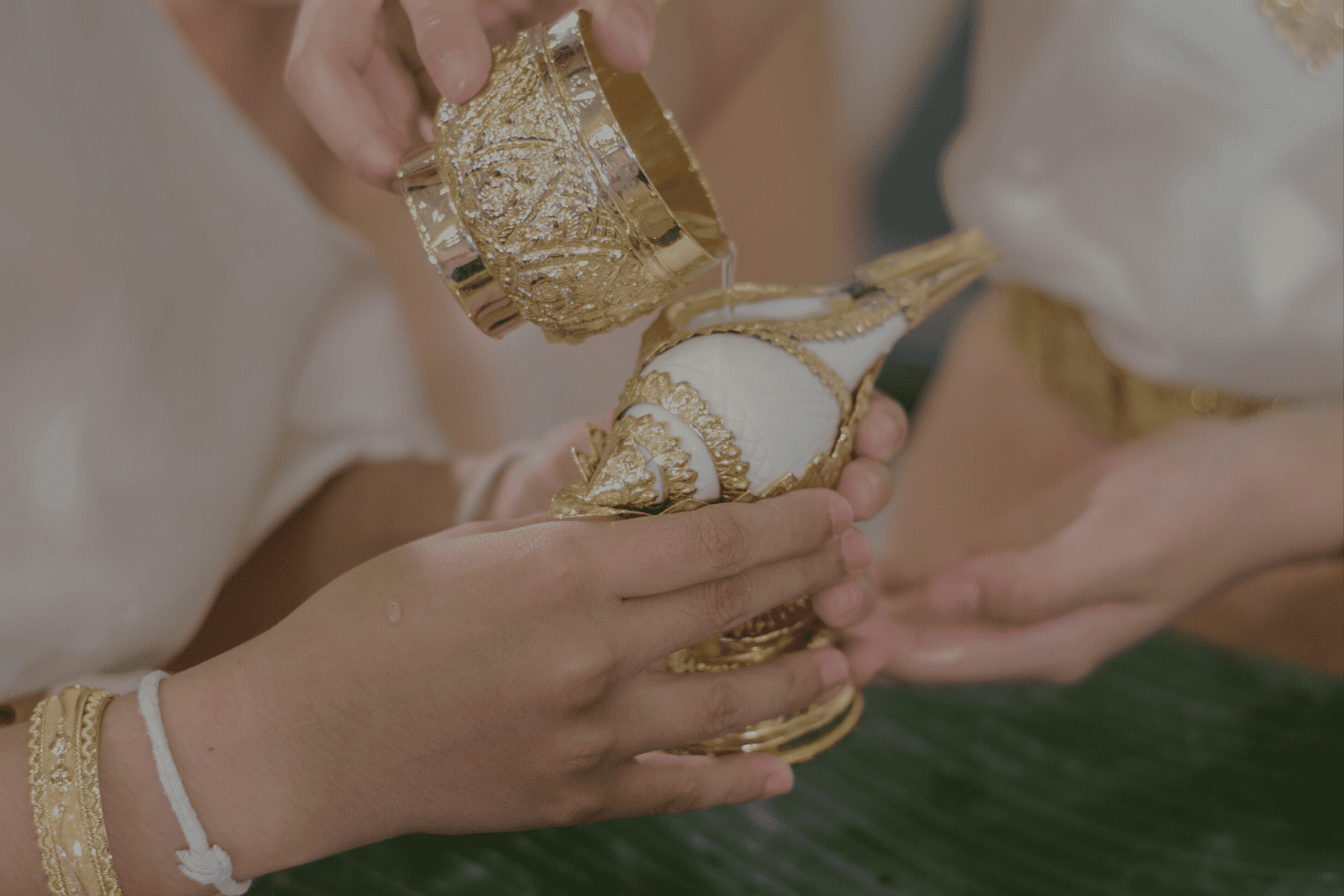
Observing Carnival from an Asian perspective is to understand that the celebration does not depend on loud music, choreographed crowds, or visual excess. It can emerge in the color that floats in the air, in the water that flows through the body, in collective rituals that unite faith, presence, and a carefully contained chaos.
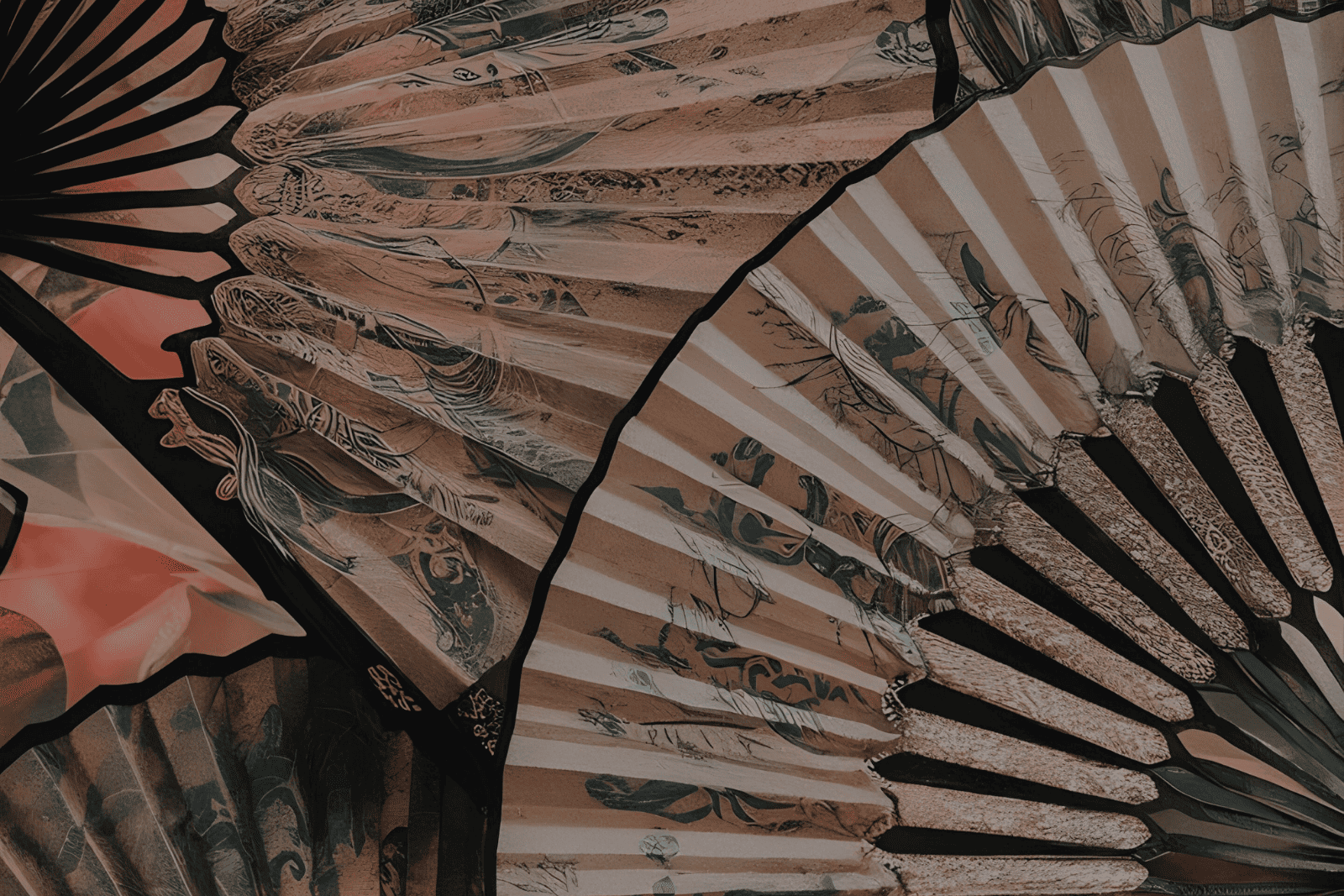
For those who experience this period with intention and curation, the continent offers vibrant celebrations, rooted in ancient traditions, that do not mold themselves to the visitor, but reveal themselves to those who know how and when to approach.
In the end, Carnival in Asia reveals something essential. The human need to create intervals in time, moments in which the everyday order consciously dissolves, serves as a reminder that celebration is also a refined way of understanding the world and oneself. Often, it is far from the most obvious scenarios that this understanding deepens.


